Where do local customers in Halifax actually look?
Google first, then Google Maps, then increasingly an AI assistant, and then whoever gets recommended in a Calderdale Facebook group. Word of mouth is still how a lot of Halifax business gets done, but the recommendation gets checked online before anyone rings, and if the check turns up a thin website and no reviews the recommendation quietly dies.
So the job is to be present at every one of those points with the same clear story: who you are, what you do, where you do it and what it has been like for other people. Miss one and the customer leaks out there.
How do I get into the Google map results for Halifax?
With a complete, active Google Business Profile: the right primary category, a real address or an honest service area, photographs of your own work, and reviews arriving regularly. Google decides the map pack on how relevant you are to the search, how close you are to the searcher and how prominent you look, and the profile is where most of that is judged.
The mistakes we fix most often around Halifax are a category that describes the trade loosely, a name padded with keywords that Google then suspends, an old address from a previous unit, and a profile nobody has posted to since it was set up. Each takes an afternoon to put right. Link the profile to the page about the service, keep the name, address and phone identical everywhere it appears, and answer every review, the awkward ones included.
Do reviews really make a difference?
Yes, more than most business owners expect, to both the ranking and the phone call. A steady flow of Google reviews is one of the strongest local signals there is, and a review that names the job and the result does more for a buyer than any paragraph you could write about yourself. Ask after every job, send the link, and make it a habit.
We ask our own clients the same way, which is why the reviews further down this page have real names on them. Reply to each one. A reply shows the next reader that somebody is home.
What should the website do once they have found me?
Say what you do, show it, and make ringing or emailing obvious on every page. A local buyer arriving from a search wants three things confirmed in seconds: that you do the specific job, that you cover their bit of Calderdale, and that other people have been happy. A page per service, a line about the areas you cover, photographs of your own jobs and a phone number at the top will do more for local enquiries than a redesign.
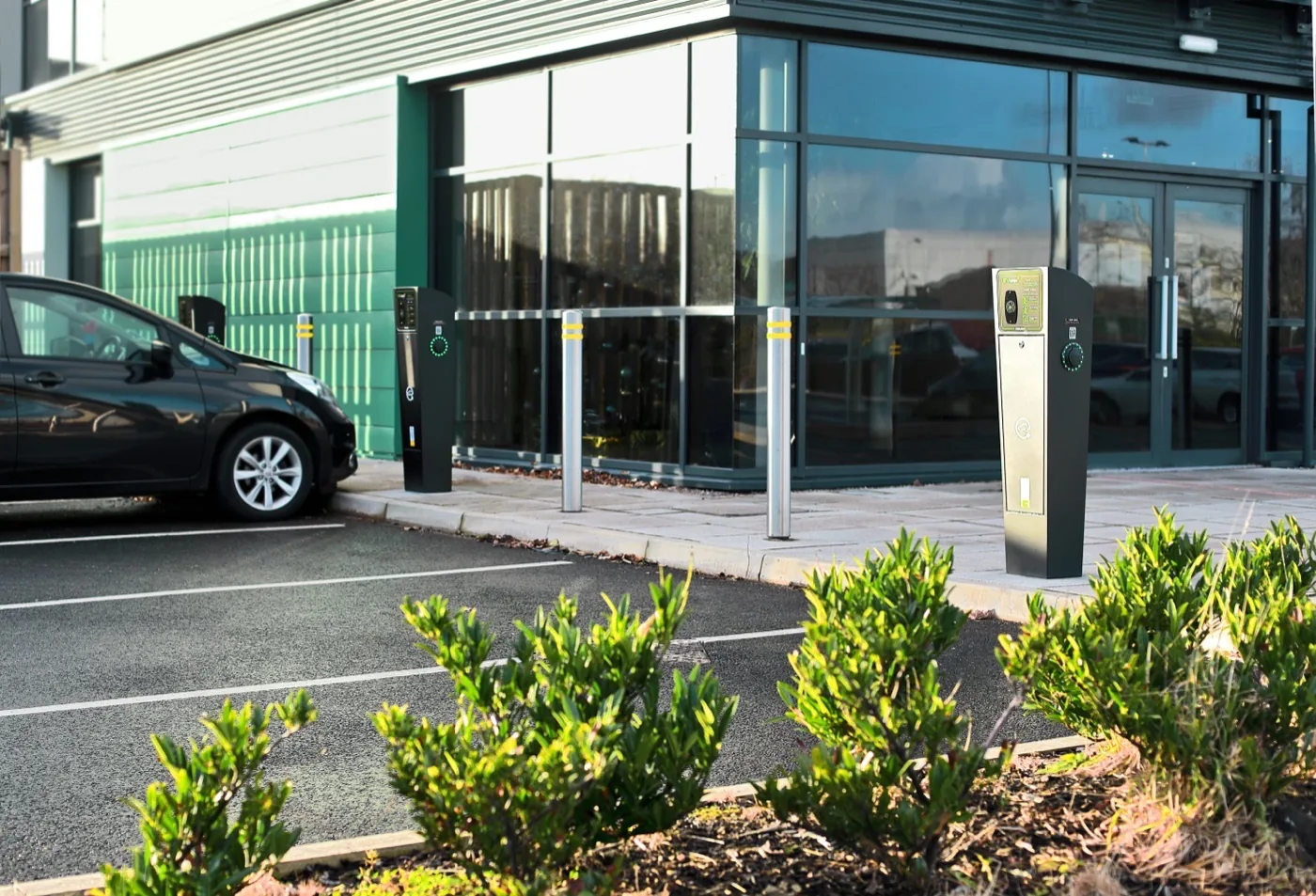
RB Electrical is the proof on our doorstep. The specific electrical and EV charging services people search for each have a page of their own, the proof is on the page, and the enquiries have averaged around two a week for five years.
Is social media worth it for a local business?
Worth it when it shows real work, and a poor substitute for search when it is the whole plan. Facebook is where Halifax and the valley towns recommend each other, so a page with recent photographs of recent jobs turns those recommendations into enquiries. LinkedIn does the same job for anyone selling to other businesses. Instagram and TikTok are a search engine in their own right for younger customers, which is what social search means.
The trick is to feed it from the jobs. One visit with the camera and the drone gives you a month of posts, the same photographs go on the website and the Google profile, and nothing has to be invented.
What would Halizona do first for a Halifax business?
Check what you already show up for, fix the Google profile, then build the pages for the services you want more of, and only then talk about anything new. Search Console and the profile insights tell us in an afternoon where the local enquiries are leaking. Most of the time the first month is unglamorous: categories, pages, photographs and a review routine. The enquiries follow, and we track where each one came from so the plan improves every month.